
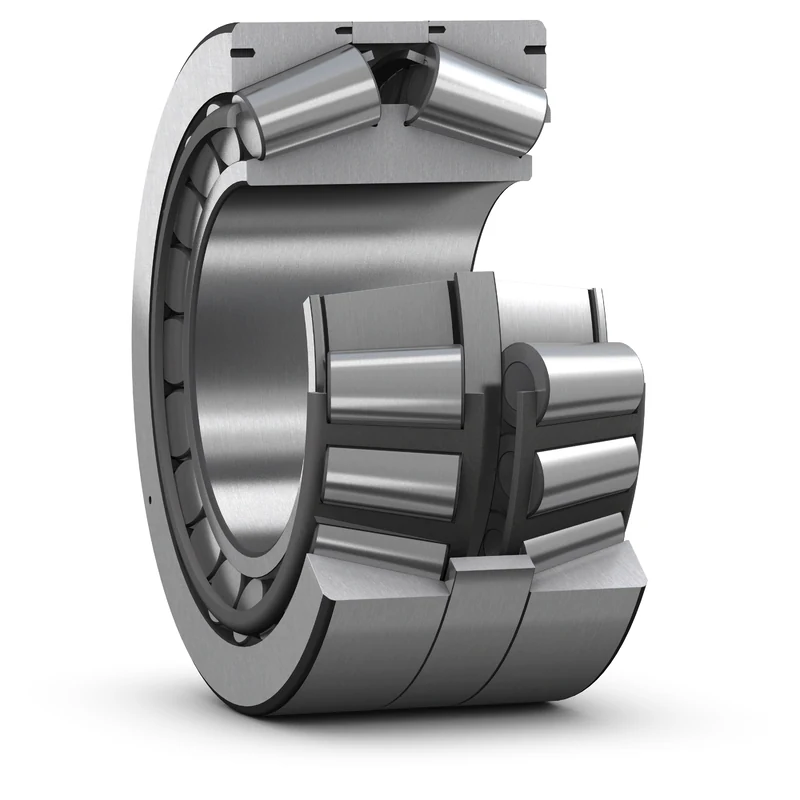
1. Reasons for bearing temperature rise:
(1) Interruption of bearing cooling water.
(2) The quality of oil deteriorates, the oil itself is not clean, or the oil deteriorates during operation. If the water content in the oil increases, the acidity of the oil will increase, which will reduce the lubrication effect of the oil, cause corrosion of the bearing shells, and lead to an increase in temperature.
2. Phenomenon:
(1) The alarm clock is ringing.
(2) The turbine mechanical fault light on the machine side panel is on, indicating that the instrument temperature for bearing temperature is rising, and the signal relay is activated.
(3) The black needle of the thermometer board (expansion thermometer) overlaps or exceeds the yellow needle.
(4) Send out a fault signal for bearing temperature rise.
3. When the bearing temperature rises, first determine whether it is a misoperation. If it rises, the following measures should be taken:
(1) Check if the cooling water pressure, water flow, and pipeline system are normal. If the water pressure is low, the filter may be clogged and cannot be treated in a timely manner. The treatment can be stopped and confirmed to be operational before putting it into use.
(2) Check the oil pressure of the governor. If the oil pressure is low, the cooling water hydraulic valve may close.
(3) Check whether there is any abnormal sound in the bearings and whether the bearing swing is abnormal.
(4) Take an oil sample, observe if there is any change in the oil color, and conduct a test to see if there is any deterioration. If damage is confirmed, stop the machine and replace with new oil.
(5) Check if the oil level is normal. If abnormal, check if the oil tank drain valve is closed. If the seal is tight, oil should be replenished; If there is oil leakage from the sealing rubber gasket, the treatment should be stopped.